I feel like I speak for all when I say that we have learned quite a few new things from the class. The class has taught us many things about other cultures and to respect each and every one of them for its own uniqueness and significance to the people who practice these cultures.
Sunday, 1 November 2015
Conclusion
Now that everything has come to end, it is time to reflect back on the past couple of months to identify all that we have learnt from the MPU cultural class.

Performance Photos
We performed the our drama on the 30th October 2015 during our MPU lesson.
Here's the photos :)
Enjoy.


Here's the photos :)
Enjoy.


Performance Preparation - Indian Drama
We had to do a performance about a specific culture and we decided to do a musical drama about indian wedding. So we decided the casts should be as below :-
Next was preparing the script. We had to do some research to get the script done as we aren't that familiar with an Indian traditional wedding.
The Vedic system recognizes the validity of several forms of marriage:
Brahmana, in which the father of the bride sends an invitation to a properly qualified man and entrusts the girl to him; the purpose of the marriage is the joint performance of the traditional religious duties
Daiva, in which the girl is married to a properly qualified brahmana who was invited to perform a sacred ritual; the purpose of the marriage is to perpetuate the good results of the sacrifice and to protect society in general
Arsha (of the Rishis), in which the married couple offer a symbolic gift of a bull and a cow (sacred animals considered the father and mother of human society) to the girl’s parents; the purpose of the marriage is cooperation in the study and practice of spiritual life
Prajapatya, in which the girl chooses a suitable husband directly or indirectly (for example in svayamvara tournaments); the purpose of the marriage is the birth of a qualified progeny that will continue the dynasty
Gandharva, in which the girl and boy declare their love for each other (this is also the specific ritual for gays and lesbians, according to the 12th century commentator Jayamangala) and exchange vows and garlands; the purpose of the marriage is romantic desire and sensual pleasure – as exemplified in the story of Shakuntala and Dushyanta
Rakshasa, in which the girl is abducted from her home against the will of her family; this type of marriage is also popular with Kshatriyas who want to overcome the blind opposition of the girl’s family to her wishes (as in the cases of Krishna’s wife Rukmini and sister Subhadra, who married Arjuna)
Asura, in which a girl and her family receive gifts, boons or wealth from the prospective husband to convince them of his good intentions; the most famous example in puranic history is Shantanu, who married Satyavati by pledging exclusive succession rights to Satyavati’s sons
Pisacha, in which a girl is seduced into a sexual relationship by flattery, emotional pressure, mental manipulation, intoxication (with wine etc.), or approached while she is sleeping and more vulnerable. The purpose of the pisacha marriage is mere satisfaction of sensual pleasure but still the women involved and the children conceived in such relationship are considered perfectly respectable by society.
We had to meet atleast half an hour a day to practice and this was a great challenge as our timetables clashed since we are from different classes. However we still did manage to meet, but not that consistent.
We had some props for this performance that we arranged to bring like the costumes (saree and dhoti) and also the fake fire for the wedding.
Overall it was a good performance with great cooperation and we managed to pull off a good performance.
Attached below is a copy of the script :
Carissa - Indian bride named Divya
Evanthe - Indian Groom named Prem
Claire - Divya's mother
Ruyi - Divya's Father
Yvonne - Indian Iyer
Charlaine - Swami Srianandha Sakshri Sambatham (The Swami)
Ricky - Matchmaker named Dharma
Aqlif - Narrator
Next was preparing the script. We had to do some research to get the script done as we aren't that familiar with an Indian traditional wedding.
The Vedic system recognizes the validity of several forms of marriage:
Brahmana, in which the father of the bride sends an invitation to a properly qualified man and entrusts the girl to him; the purpose of the marriage is the joint performance of the traditional religious duties
Daiva, in which the girl is married to a properly qualified brahmana who was invited to perform a sacred ritual; the purpose of the marriage is to perpetuate the good results of the sacrifice and to protect society in general
Arsha (of the Rishis), in which the married couple offer a symbolic gift of a bull and a cow (sacred animals considered the father and mother of human society) to the girl’s parents; the purpose of the marriage is cooperation in the study and practice of spiritual life
Prajapatya, in which the girl chooses a suitable husband directly or indirectly (for example in svayamvara tournaments); the purpose of the marriage is the birth of a qualified progeny that will continue the dynasty
Gandharva, in which the girl and boy declare their love for each other (this is also the specific ritual for gays and lesbians, according to the 12th century commentator Jayamangala) and exchange vows and garlands; the purpose of the marriage is romantic desire and sensual pleasure – as exemplified in the story of Shakuntala and Dushyanta
Rakshasa, in which the girl is abducted from her home against the will of her family; this type of marriage is also popular with Kshatriyas who want to overcome the blind opposition of the girl’s family to her wishes (as in the cases of Krishna’s wife Rukmini and sister Subhadra, who married Arjuna)
Asura, in which a girl and her family receive gifts, boons or wealth from the prospective husband to convince them of his good intentions; the most famous example in puranic history is Shantanu, who married Satyavati by pledging exclusive succession rights to Satyavati’s sons
Pisacha, in which a girl is seduced into a sexual relationship by flattery, emotional pressure, mental manipulation, intoxication (with wine etc.), or approached while she is sleeping and more vulnerable. The purpose of the pisacha marriage is mere satisfaction of sensual pleasure but still the women involved and the children conceived in such relationship are considered perfectly respectable by society.
Wedding Traditions vary across religion, caste, ethnicity, language, region, etc. Traditional Indian
weddings are generally structured into pre-wedding ceremonies,
wedding day ceremonies (consisting of the Baarat,
the Varmala and the Satphere), and the Vidaai. When the marriage has been agreed
upon, the father of the bridegroom visits the father of the bride. The day
before the expected arrival of the marriage procession, lavish preparations
are done by the family to receive the groom (shaadi ki tayaari) in beautiful
and decorated venues, typically farmhouses or hotel halls, where a sacrificial
fireplace called marhwa is built. Brides decorate themselves with gold and
diamond jewellery, apply mehndi to colour hands and feet, and undergo various bridal
rituals, including wearing bridal lehenga or saree. Bridegrooms typically wear
a [sherwani] dress or a designer suit. To complete the marriage, the bride and
groom walk in a circle (phera) around the sacrificial fire.
Vidaai is when the bride is formally sent to the groom’s household. Many songs
have immortalized this moment when the bride leaves her ‘babul ka ghar’ or
father’s house. According to Hindu religious texts, Brahma created man from the right
shoulder and woman from his left shoulder. A woman is referred to as Vamangi
or one who is on the left side. Throughout the marriage ceremony the bride sits
on the right side of the groom. That is the place for strangers and
acquaintances. Only after the Saptpadi, when the bride and groom have
exchanged marital vows, is the wife seated on the left side of the man. An
example of the complexity of an Indian wedding can be seen from the various
phases of a wedding in North India. The following events take place in a typical
Eastern Uttar Pradesh Hindu Marriages:
The bride and groom are told about their duties and responsibilities in
married life by the priest.
Vows by the husband
1 I will consider my
wife to be the better half. I will look after her just as I look after myself.
2 Accepting her as
in-charge of my home, I shall plan things in consultation with her.
3 I will never express
dissatisfaction about any shortcomings in my wife. If there are any, I will
explain them to her lovingly. I will support her in overcoming them.
4 I will always have
faith in my wife. I will never look at another woman with wrong intent, nor
have an illicit relationship.
5 I will be
affectionate and treat my wife like a friend.
6 I will bring home all
my income to my wife. The household expenses will be incurred with her consent.
I will always make an effort to ensure her comfort and happiness.
7 I will not find fault
or criticize my wife before others. We will sort out our differences and
mistakes in privacy by ourselves.
8 I will have a
courteous and tolerant attitude towards my wife. I will always follow a
compromising policy.
9 If my wife is unwell,
or is unable to fulfill some of the responsibilities or through some
misunderstanding behaves wrongly, I will not withdraw support or refuse to
fulfill my responsibilities towards her.
Kanyadaan
During kanyadaan, the bride’s parents give their daughter away in
marriage. The groom makes three promises – to be just (dharma), earn
sufficiently to support his family (artha), and love his wife (kama).
He repeats these vows thrice in the presence of Agni (the sacred fire) and all
who are gathered there.
Bariksha
Bariksha is when the bride's parents have informally shown intentions that they
want a particular groom, and the groom and his family have agreed. Reneging at
the end of this stage is frowned upon but is acceptable. Once the wedding has
been accepted by both sides, the bride's family does Badcheka/Bariksha of the
groom. This is when the bride's father and brothers go to the groom's side with
sweets (including a coconut) and some pooja items like rice and turmeric. This
ceremony is a token gesture to confirm the alliance and signifies that the
groom is now "taken" and can no longer look for other prospective
brides.
Tilak
Tilak involves the bride's parents travelling to the groom's family home to
formalise the relationship. A large feast is organised by the groom's family to
celebrate this occasion. Only a nominal number of members of the bride's family
are present (usually only very close relatives, often only tens of people).
Typically, the female marriage proposal is very rare.
Byaha Haath
This ceremony signifies the purifying of the mind, body and soul of
bride and groom. This daytime ceremony prepares them for the nuptials. 'Ubtan'
is a mixed paste of sandalwood, turmeric and rose water which is applied by
seven unmarried female members of the families to the faces, hands and feet of
the bride and groom. After this ceremony the bride and the groom are not
allowed to step outside the house before the actual wedding.
Flower bed ceremony
In the flower bed ceremony, the bride wears floral ornaments and the
marriage bed is decorated with flowers by the groom's family. This is the night
of consummation.
In Muslim marriages, this takes place on the night of the wedding. In Hindu
marriages, this takes place on the night of the reception.
We had to meet atleast half an hour a day to practice and this was a great challenge as our timetables clashed since we are from different classes. However we still did manage to meet, but not that consistent.
We had some props for this performance that we arranged to bring like the costumes (saree and dhoti) and also the fake fire for the wedding.
Overall it was a good performance with great cooperation and we managed to pull off a good performance.
Attached below is a copy of the script :
Sunday, 4 October 2015
Historical Background of Indian Arranged Marriages
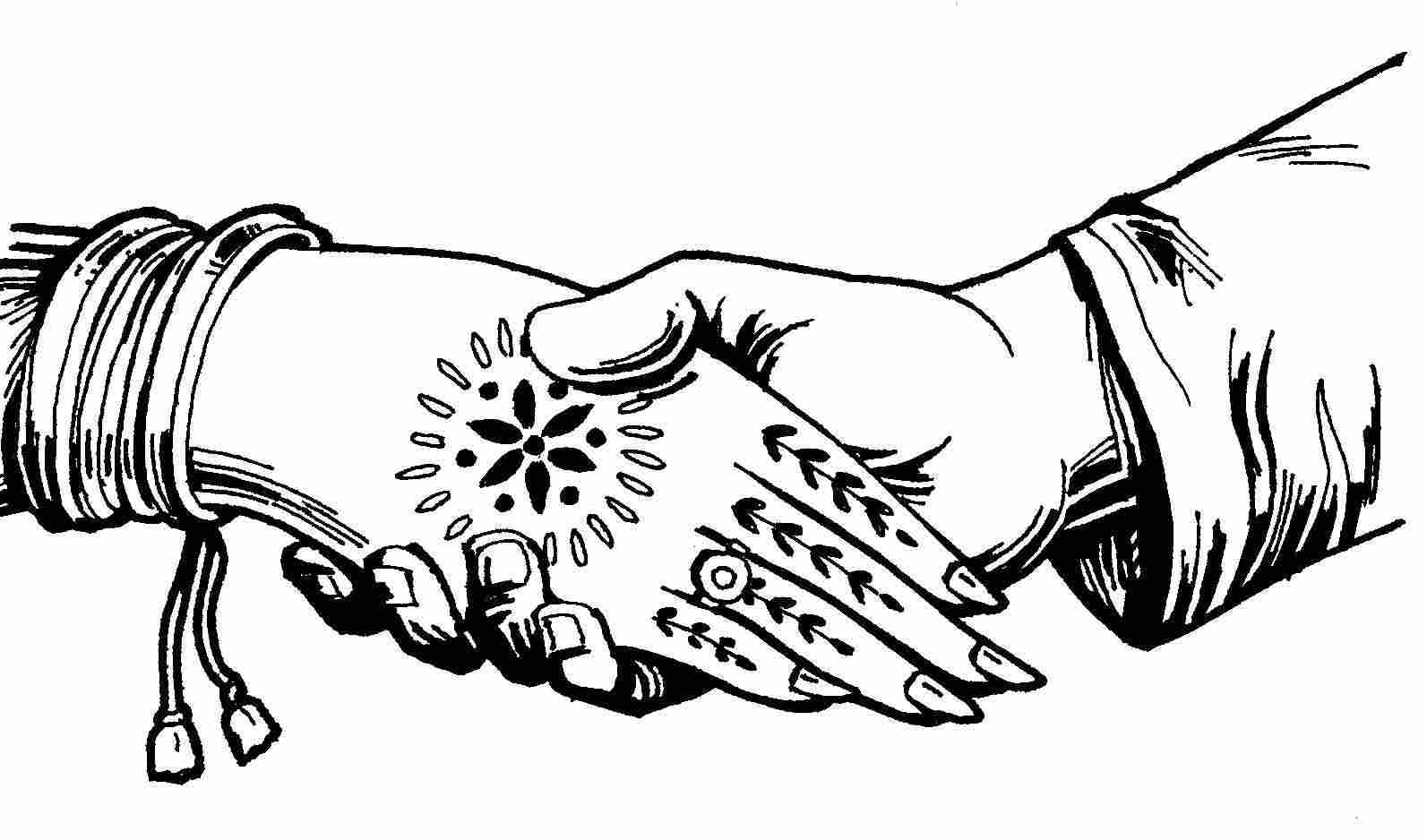
Arranged marriages have been an integral part of the Indian society since ages. Basically a marriage is termed as arranged when it is arranged by people other than those getting married. In the process, it even curtails the phenomena of courtship. The other people involved in the arrangement of the marriage can be parents, match making agents, matrimonial sites or a trusted third party. In fact the task of match making is quite a number of times carried out by priests, religious leaders, trusted relatives, family friends, etc.
In older times, the bride and the groom were neither asked for their consent, nor were they informed about the partner. However, with the evolution of time, the society has also undergone a significant change. Nowadays, in arranged marriages both the girl and the boy are asked for their consent. The process begins with practices like matching the horoscope of the couple for checking the compatibility, the background of the families and their castes.
After all the above things are ensured, a suitable date for the commencement of the marriage is decided. Before marriage, an engagement ceremony is commenced to ensure that the accord between the two families is finalized. I the modern society, the by and the girl are allowed to hold restricted meetings and conversations before marriage. This makes it easy for both of them to open up and also facilitates interaction and understanding.
The marriage ceremony is highly formal is case of an arranged marriage, with the groom's family playing to the gallery. The marriage is conducted in strict accordance with the Vedic rites and rituals. After marriage the bride is bid farewell amidst blessings for her prosperous marital life.
However, it is increasingly common in India for a couple that has met by themselves and are involved romantically to go through the process of an arranged marriage with that specific partner in mind. Since arranged marriages result in deep meshing and unification of extended families and are believed to contribute to marital stability, many couples orchestrate their marriages with each other through the processes of an arranged marriage. These marriages are often referred to as 'self-arranged marriages' or 'love-arranged marriages' in India.
Cited from http://www.culturalindia.net/weddings/arranged-marriage.html and https://en.wikipedia.org/wiki/Arranged_marriage_in_the_Indian_subcontinent
Saturday, 3 October 2015
RM 2 Introductions
Welcome to the RM 2 group's blog.
We have a total of 9 members in our group.
The members of our little group are Yvonne, Nisrina, Aqlif, Charlaine, Claire, Carissa, Evanthe, Ru Yi and Zicky, myself.
Our ages range from 16 to 18 years .
We have a total of 9 members in our group.
The members of our little group are Yvonne, Nisrina, Aqlif, Charlaine, Claire, Carissa, Evanthe, Ru Yi and Zicky, myself.
Our ages range from 16 to 18 years .
Subscribe to:
Posts (Atom)